Understanding Visualization Skills In Contract Bridge
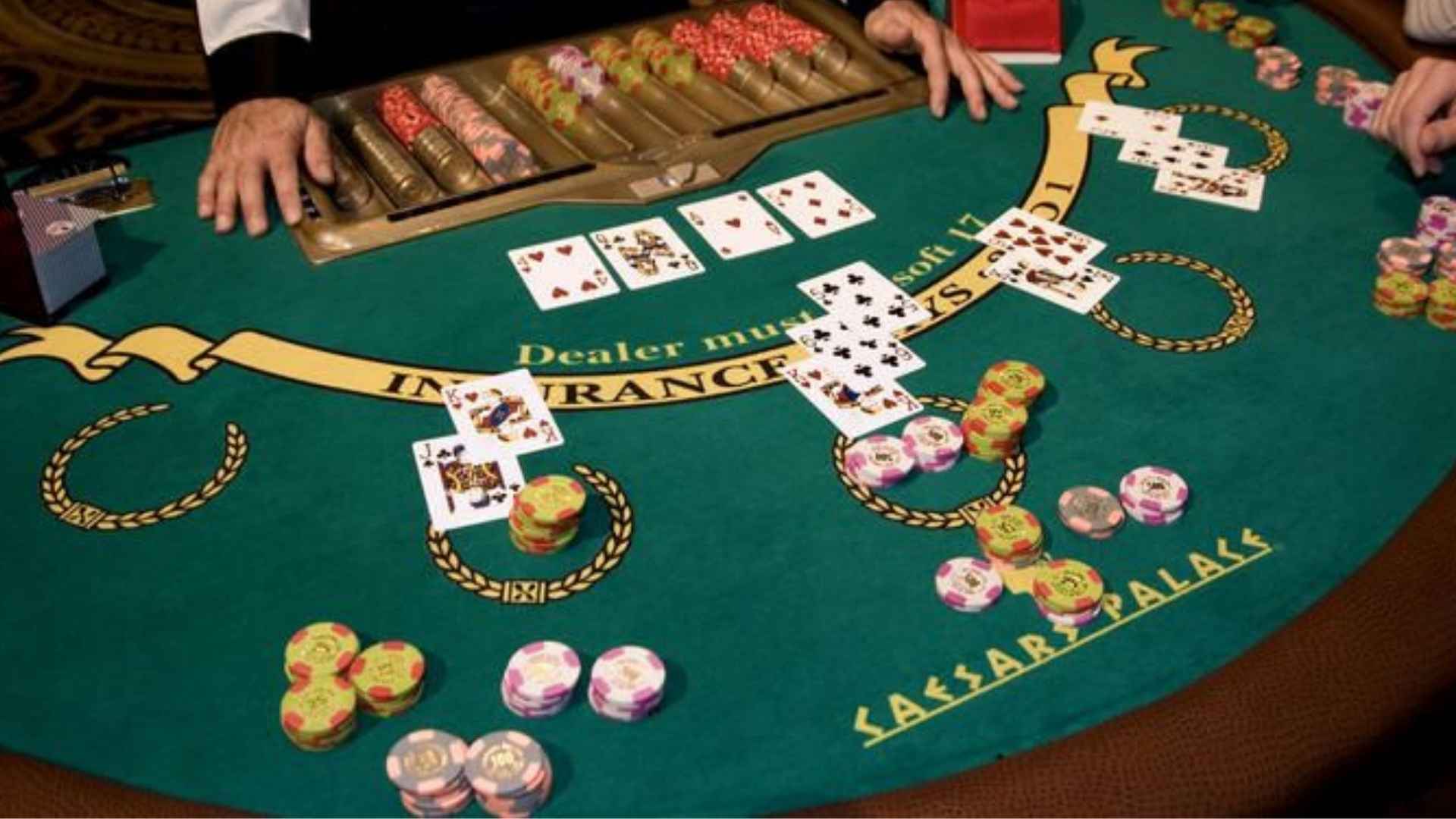
Visualization in contract bridge is the mental ability to build a complete picture of hidden hands before cards are even played. Expert players rely on this cognitive skill to anticipate suit distributions, calculate odds, and form winning game plans. Developing strong mental imagery allows bridge enthusiasts to make precise decisions under competitive pressure.
The Role of Mental Mapping in Hand Analysis
Mental mapping begins during the auction phase as players gather clues from every bid made or passed. By translating bidding sequences into visual card distribution patterns, declarers and defenders can construct accurate layouts of opponent holdings. This process transforms abstract information into a clear mental image of the entire table.
As the play unfolds, players continuously update their mental picture with each card played. Tracking high cards and missing suit lengths allows strategic minds to anticipate defensive maneuvers or declarer routes. Developing this continuous visual tracking habit significantly reduces unforced errors during complex hands.
Deductive Logic and Reconstructing Hidden Suits
Reconstructing hidden suits requires combining mathematical probability with subtle table cues. Skilled players picture how missing honor cards are distributed between unseen hands to determine the safest line of play. This level of logical visualization separates novice card players from master strategists.
When analyzing competitive card scenarios online or checking platform promotional offers like a m88 红利代码, players often recognize the importance of sharp decision-making skills. In bridge, visual deduction helps players execute sophisticated plays such as squeezes and endplays with confidence. Predicting opponent responses becomes far easier when the entire layout is clearly mapped in memory.
Enhancing Focus and Memory Retention at the Table
Strong visualization directly enhances memory retention by organizing information into structured mental chunks rather than isolated cards. Instead of trying to memorize every played trick individually, players remember hand shapes and suit splits. This visual grouping method frees up mental capacity for deeper tactical planning.
Sustaining intense focus over long tournament sessions depends heavily on efficient mental processing routines. By visualizing prospective outcomes two or three tricks ahead, competitors maintain composure during critical moments. Regular mental exercises and post-game reviews strengthen these visualization channels over time.
Practical Techniques to Improve Your Bridge Visualization
Improving visual skills requires deliberate practice both during live games and solo study sessions. Counting suit distributions constantly and imagining the unseen dummy or defender hands helps train the brain to build real-time visual models. Analyzing record sheets after matches also reinforces accurate visual recall habits.
Beginners can start by focusing on tracking a single suit throughout a hand before expanding to all four suits. Over time, combining point counts with shape visualization creates a seamless mental map for every deal. Dedicated practice turns conscious calculation into an intuitive, high-level bridge strategy.